


Lifestyle Changes for Managing High Blood Pressure: Your 2026 Guide

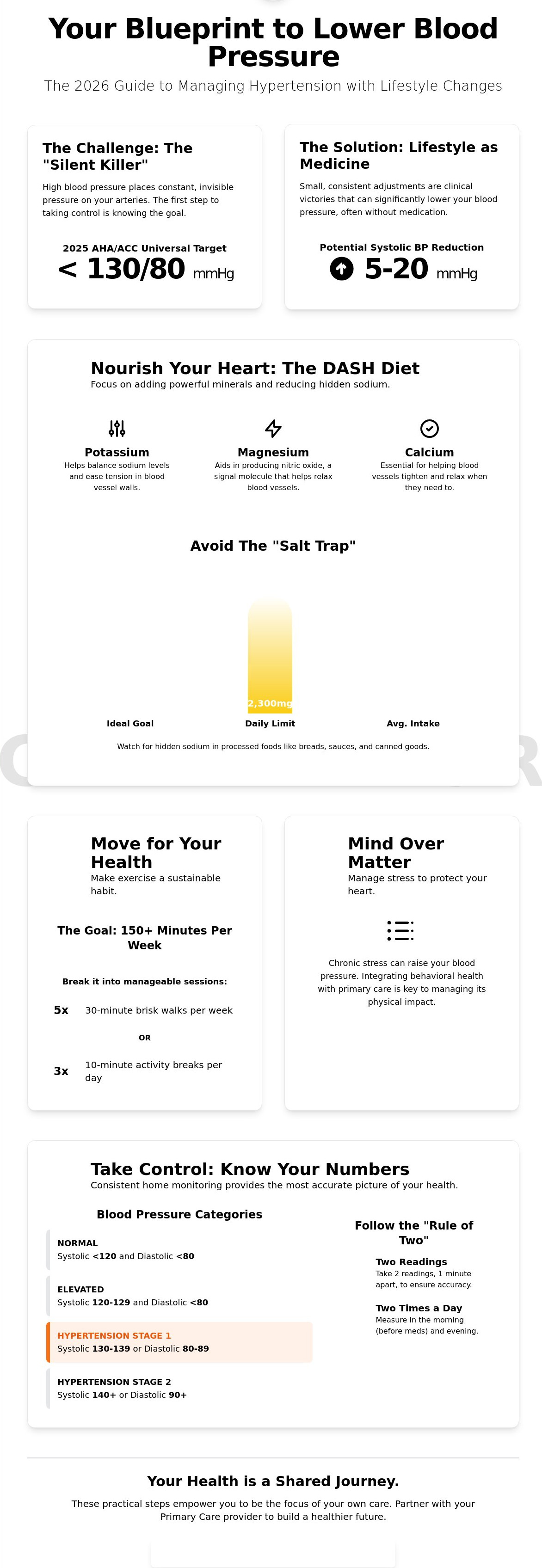
What if the most powerful tool for your heart health isn't found in a pharmacy, but in the small, intentional choices you make every day? We know the stress of conflicting health advice and the fear of rising medical costs can make wellness feel out of reach. It's frustrating to feel like your health is a series of appointments rather than a life you enjoy. Implementing lifestyle changes for managing high blood pressure is the foundational step recognized by the latest 2025 AHA/ACC guidelines, particularly as the universal treatment target is now set at less than 130/80 mmHg.
You deserve a path to wellness that feels both aspirational and achievable. This 2026 guide provides a comprehensive, budget-friendly checklist of adjustments designed to lower your readings and reduce your risk of stroke or heart attack. We will explore the updated DASH diet standards, the role of the PREVENT screening tool, and how simple shifts in movement can help you feel empowered and energetic again. Your health is a shared journey; these practical steps ensure you remain the focus of your own care.
Key Takeaways
Nourish your body with the DASH eating plan and learn how essential minerals like Potassium and Magnesium act as natural tools for vascular health.
Break down the 150-minute exercise rule into manageable 10-minute sessions that fit your daily rhythm without added stress.
Explore the profound impact of behavioral health on your heart and why managing chronic stress is as important as any clinical appointment.
Discover the most effective lifestyle changes for managing high blood pressure to lower your risks and reclaim your energy today.
Learn the "Rule of Two" for home monitoring to ensure you and your Primary care provider have the most accurate picture of your progress.
Table of Contents
Why Lifestyle Changes Are Your First Line of Defense Against Hypertension
High blood pressure often earns the title of the "silent killer" because it works quietly. It doesn't always announce itself with a headache or chest pain. Instead, it places constant, invisible pressure on your arterial walls, causing them to thicken and scar over time. To understand the mechanics of this condition, you can explore this comprehensive overview of hypertension. By 2026, the medical community has shifted its focus toward Lifestyle as Medicine. This isn't just a trend; it's a commitment to treating you as a whole person rather than a collection of symptoms. We believe that health is a shared responsibility, and your daily habits are your most potent prescription.
Focusing on lifestyle changes for managing high blood pressure can yield remarkable results. Small, consistent adjustments aren't just minor wins; they are clinical victories. Research indicates that combining a heart-healthy diet with regular physical activity can lower your systolic blood pressure by 5 to 20 mm Hg. That is often enough to move a person from Stage 1 hypertension back into a healthy range without needing immediate medication. We view this holistic approach as a way to empower you, connecting your physical health to your mental well-being and the strength of your community. Lowering your pressure, strengthening your heart, and reclaiming your life starts with these manageable shifts.
Understanding Your Numbers: What is a Healthy Range?
Your blood pressure reading consists of two numbers. The top number, or systolic pressure, measures the force when your heart beats. The bottom number, or diastolic pressure, measures the force when your heart rests between beats. According to the 2026 guidelines, a normal reading is less than 120/80 mmHg. If your top number is between 130 and 139, or your bottom number is between 80 and 89, you are in Stage 1 hypertension. It's important to remember that a single high reading isn't a diagnosis. It's a signal to pause, breathe, and partner with your Primary care provider to establish a baseline through consistent monitoring. Accuracy matters, so we encourage checking your levels in a calm environment where you feel safe and supported.
The Long-Term Benefits of Early Intervention
Choosing to act early protects more than just your heart. Controlled blood pressure reduces the strain on your kidneys and brain, significantly lowering the risk of stroke and chronic kidney disease. There is also a practical, financial side to wellness. By managing your health through lifestyle today, you save on the long-term costs of daily medications and unexpected emergency room visits. If you are concerned about managing these steps while on a budget, we offer resources on how to get medical care with a high deductible plan. Investing in your habits now ensures you remain energetic and present for your family. Through our Primary care and Behavioral health services, we stand ready to help you navigate these changes with compassion and clinical excellence.
The Heart-Healthy Nutrition Checklist: DASH Diet and Beyond
Nourishing your body isn't about restriction; it's about empowerment. The Dietary Approaches to Stop Hypertension (DASH) eating plan serves as a foundational pillar for Heart-healthy lifestyle changes. This approach prioritizes whole foods that naturally lower vascular tension and improve overall circulation. Instead of focusing solely on what to remove, we focus on what to add. Specifically, we look for the "Big Three" minerals: Potassium, Magnesium, and Calcium. These nutrients work together to relax blood vessels and maintain a steady heart rhythm. When you choose these foods, you aren't just eating; you're providing your body with the tools it needs to heal.
The "Salt Trap" remains one of the biggest hurdles for many in our community. Sodium hides in plain sight, often tucked away in bread, pasta sauces, and canned goods. By the time you finish a meal at a restaurant, you might have already exceeded your daily limit. The goal is to keep sodium intake below 2,300 mg per day, though aiming for 1,500 mg can offer even more protection. Making small swaps in your pantry can lead to a significant drop in your numbers over time.
Eating for Heart Health on a Budget
Healthy eating should never be a luxury. Frozen vegetables are often more affordable than fresh ones, and they retain their nutrients because they're frozen at peak ripeness. Bulk beans, lentils, and whole grains like brown rice are inexpensive, high-fiber protein sources that keep you full longer. For those in the Charlotte area, utilizing local farmers’ markets or discount grocers can make fresh produce more accessible. We believe that everyone deserves access to quality nutrition, regardless of their zip code. If you need help managing these adjustments, our Primary care providers can offer personalized guidance.
The Role of Potassium in Balancing Sodium
Potassium is your secret weapon when making lifestyle changes for managing high blood pressure. It helps your kidneys flush out excess salt through your urine and eases the tension in your blood vessel walls. Affordable options like bananas, sweet potatoes, and spinach are excellent sources. However, balance is key. If you have a history of kidney issues, it's vital to speak with a medical professional before significantly increasing your potassium intake. We are here to ensure your nutritional path is both safe and effective for your unique needs.
Movement and Rest: Building a Sustainable Routine
Your heart thrives on consistency; it does not require perfection. Integrating lifestyle changes for managing high blood pressure doesn't demand a gym membership or hours of free time. The clinical standard suggests 150 minutes of moderate activity each week. This goal feels more achievable when you break it into 10-minute chunks. Three short walks a day provide the same cardiovascular benefits as one long session. These small bursts of movement help your heart pump more efficiently, lowering the pressure on your arterial walls. We believe every step you take is a commitment to your long-term vitality.
Strength training is an often overlooked tool for vascular health. Building muscle mass creates a metabolic engine that improves circulation and helps your body process glucose more effectively. This reduces the overall workload on your heart. We also pay close attention to waist circumference. Research shows that excess abdominal fat can physically compress internal organs and increase arterial pressure. Managing your weight through movement is about more than a number on a scale; it's about reducing the physical stress on your circulatory system. To effectively manage high blood pressure, we must view movement and rest as equally vital components of your care.
Finding Movement in Everyday Life
Exercise doesn't have to be a chore. You can find movement in your daily rhythm by taking the stairs, gardening, or walking while taking phone calls. In the Charlotte area, we are fortunate to have beautiful spaces like Freedom Park or local community centers that offer safe, accessible walking trails. We encourage a "start where you are" mindset. If you haven't been active lately, begin with five minutes. Avoid injury by listening to your body. We honor your effort at every stage of this journey.
The Sleep-Hypertension Connection
Sleep is a vital sign that reflects your internal health. Poor sleep hygiene triggers a chronic stress response, keeping your blood pressure elevated even while you rest. This is particularly dangerous for those with undiagnosed Sleep Apnea, a condition that causes resistant hypertension. To improve your rest, maintain a consistent sleep schedule and keep your room cool. A "digital detox" 30 minutes before bed helps your brain transition into a restorative state. If you wake up feeling exhausted or snore loudly, it's time to ask your doctor about a sleep study. Quality rest is a foundational pillar of heart health.
The Mental Health Connection: Managing Stress and Social Habits
Your mind and heart are deeply connected. While acute stress, like a sudden scare, causes a temporary spike in blood pressure, chronic stress acts as a persistent weight on your cardiovascular system. When you live in a constant state of "fight or flight," your body releases hormones like cortisol and adrenaline. Over time, these chemicals damage your vessel linings and keep your heart rate unnecessarily high. We believe that caring for your emotional well-being is a radical act of self-preservation. Integrating mental wellness into your daily life is one of the most effective lifestyle changes for managing high blood pressure.
Breaking cycles of stress often requires more than just willpower; it requires community. You don't have to carry the burden of health alone. Finding a "health buddy" or joining a local community group can make the journey feel lighter. Sharing your goals and setbacks with others fosters a sense of belonging and accountability that is difficult to achieve in isolation. We are here to listen, to guide, and to walk alongside you as you reclaim your peace.
Practical Stress-Reduction Techniques
Immediate relief is often just a breath away. The 4-7-8 method is a simple tool you can use anywhere to signal your nervous system to calm down. This technique lowers your heart rate in the moment and helps you regain a sense of control over your body's stress response:
Inhale quietly through your nose for a count of four.
Hold your breath for a count of seven.
Exhale forcefully through your mouth for a count of eight.
We also encourage viewing mental health check-ins in Charlotte as a standard part of your heart care. Our Behavioral health services provide a safe space to address the emotional roots of hypertension, helping you build resilience against life's pressures. Treating the mind is treating the heart.
Breaking the Habits: Smoking and Alcohol
Certain social habits can silently sabotage your progress. Nicotine is a powerful stimulant that immediately spikes your blood pressure and causes long-term damage to your artery walls. Deciding to quit is one of the most impactful lifestyle changes for managing high blood pressure. We suggest setting a specific "Quit Date" and reaching out for local cessation resources in North Carolina to increase your chances of success. Similarly, alcohol intake should be kept to a "moderate" level, which generally means one drink a day for women and two for men. A "dry month" can serve as a powerful reset for your vascular health. If you're ready to start this transition, our Behavioral health services are here to support your journey.
Taking Control: Monitoring and Partnering with Your Care Team
Taking ownership of your health involves more than just making lifestyle changes for managing high blood pressure; it requires consistent, accurate data. When you track your numbers at home, you provide your care team with a window into your daily reality that a single office visit cannot capture. We recommend choosing an automated, cuff-style bicep monitor rather than a wrist model, as they are generally more reliable. Accuracy also depends on your posture. Sit quietly for five minutes before pressing the start button. Keep your feet flat on the floor, your back supported, and your arm resting at heart level. Accurate data saves lives.
To establish a true baseline, we suggest the "Rule of Two." Check your blood pressure twice a day, once in the morning before coffee or medication and once in the evening, for two consecutive weeks. Document these readings in a Blood Pressure Diary. By recording your results alongside notes about your sleep or stress levels, you can see exactly how your lifestyle changes for managing high blood pressure are impacting your vascular health. This diary becomes a powerful tool for self-advocacy during your next appointment. Don't be afraid to ask your provider specific questions, such as "What is my personal target number?" or "How do my current habits align with my long-term heart goals?"
Partnering with Quality Comprehensive Health Center
Our mission at Quality Comprehensive Health Center is to remove the barriers that stand between you and a healthy heart. We believe that high-quality healthcare is a right, not a privilege. Our sliding fee scale ensures that hypertension management and Primary care remain accessible to everyone in our community, regardless of financial status. We invite you to visit us for personalized specialty care for chronic illness. Here, you aren't just a patient; you're a neighbor we are honored to serve.
When Lifestyle Changes Aren’t Enough
Sometimes, despite your best efforts, biology requires extra support. According to the 2026 guidelines, if your blood pressure remains at or above 130/80 mmHg after three to six months of lifestyle modification, medication is often recommended. If you are diagnosed with Stage 2 hypertension, defined as 140/90 mmHg or higher, your provider may suggest starting medication immediately. It is vital to remember that taking medication isn't a failure. It is simply another tool in your kit for longevity and health. We will work with you to adjust your care plan through consistent follow-up appointments, ensuring you feel empowered and energetic at every stage of your journey.
Embrace Your Journey to a Healthier Heart
Managing your blood pressure is a lifelong commitment to yourself and your community. By embracing the DASH eating plan, finding joy in daily movement, and prioritizing your mental well-being, you're doing more than just lowering numbers. You're reclaiming your vitality and protecting your future. Remember that lifestyle changes for managing high blood pressure are most effective when they're sustainable and supported by a care team that understands your unique story. Whether you're tracking your baseline with the "Rule of Two" or seeking a safe space to discuss stress, you don't have to navigate this path alone.
At Quality Comprehensive Health Center, we've provided over 20 years of community-based care to the Charlotte area. Our state-of-the-art facility on Beatties Ford Road is designed to offer a welcoming, human experience for every neighbor who walks through our doors. We believe that financial barriers should never stand in the way of wellness. This is why we offer a sliding fee scale for our uninsured patients. Take control of your heart health; schedule a consultation with our Charlotte specialists today. Your heart is the foundation of your life. We're honored to help you keep it strong.
Frequently Asked Questions
Can I really lower my blood pressure without medication?
You can often lower your blood pressure through lifestyle changes for managing high blood pressure alone, especially if your readings fall within the elevated or Stage 1 categories. Current 2026 guidelines suggest a trial period of three to six months for these adjustments before medication is considered. This timeframe allows your body to stabilize and respond to improved nutrition and activity. If your initial readings are significantly higher, we may recommend a combination of habits and medication.
How long does it take for lifestyle changes to show results in my blood pressure readings?
Most individuals begin to see a measurable difference in their readings within one to three months of consistent habit shifts. While some people notice a slight drop in just a few weeks, the full impact of lifestyle changes for managing high blood pressure usually stabilizes after the three-month mark. We encourage you to keep a detailed diary during this time to track your progress and share it with your Primary care provider during your next visit.
What is the single most important lifestyle change for hypertension?
Reducing your daily sodium intake to less than 2,300 mg is arguably the most impactful single adjustment you can make. Since excess salt causes your body to hold onto fluid, it directly increases the pressure on your arterial walls. Combining this with the DASH eating plan provides a powerful foundation for heart health. We believe that small, intentional choices in the kitchen are the first steps toward a more energetic and empowered life.
Is caffeine bad for high blood pressure?
Caffeine can cause a short-term, temporary spike in your blood pressure, but its long-term effects on chronic hypertension vary from person to person. If you are a regular coffee or tea drinker, your body may have developed a tolerance. We suggest checking your pressure before and 30 minutes after your morning cup to see how your body reacts. If you notice a significant jump, consider switching to decaf or herbal alternatives to protect your heart.
How much water should I drink to help manage my blood pressure?
Staying properly hydrated helps your kidneys flush out excess sodium, which is vital for maintaining a healthy blood pressure. While the general recommendation is eight glasses a day, your specific needs depend on your activity level and environment. Drinking water instead of sugary sodas or energy drinks also reduces your caloric intake and supports weight management. We view hydration as a simple, low-cost way to respect and nourish your vascular system every day.
What should I do if my blood pressure spikes suddenly at home?
If you notice a sudden spike, the first step is to remain calm and sit quietly for five to ten minutes before re-testing. Ensure your posture is correct and your arm is supported at heart level. If the reading remains at 180/120 mmHg or higher, or if you experience chest pain, shortness of breath, or numbness, seek emergency medical attention immediately. These symptoms can signal a hypertensive crisis that requires immediate clinical intervention.
Are there specific exercises I should avoid if I have high blood pressure?
You should generally avoid activities that involve sudden, intense bursts of strain or heavy weightlifting where you find yourself holding your breath. This "breath-holding" can cause a rapid, dangerous rise in internal pressure. Instead, focus on rhythmic, aerobic movements like walking, swimming, or cycling. If you are new to exercise, we recommend starting slowly and consulting with our Primary care team to build a routine that feels safe and sustainable for your unique needs.
Does QCHC offer help for people without insurance who have high blood pressure?
Yes, Quality Comprehensive Health Center is deeply committed to serving everyone in our community, regardless of their insurance status. We offer a sliding fee scale based on your income and family size to ensure that Primary care and hypertension management remain accessible. Our mission is to lower the barriers to healthcare so that every neighbor can receive the compassionate, high-quality treatment they deserve in our modern Beatties Ford Road facility.



Comments