


Living a Healthy Life with HIV in NC: A Comprehensive 2026 Wellness Guide

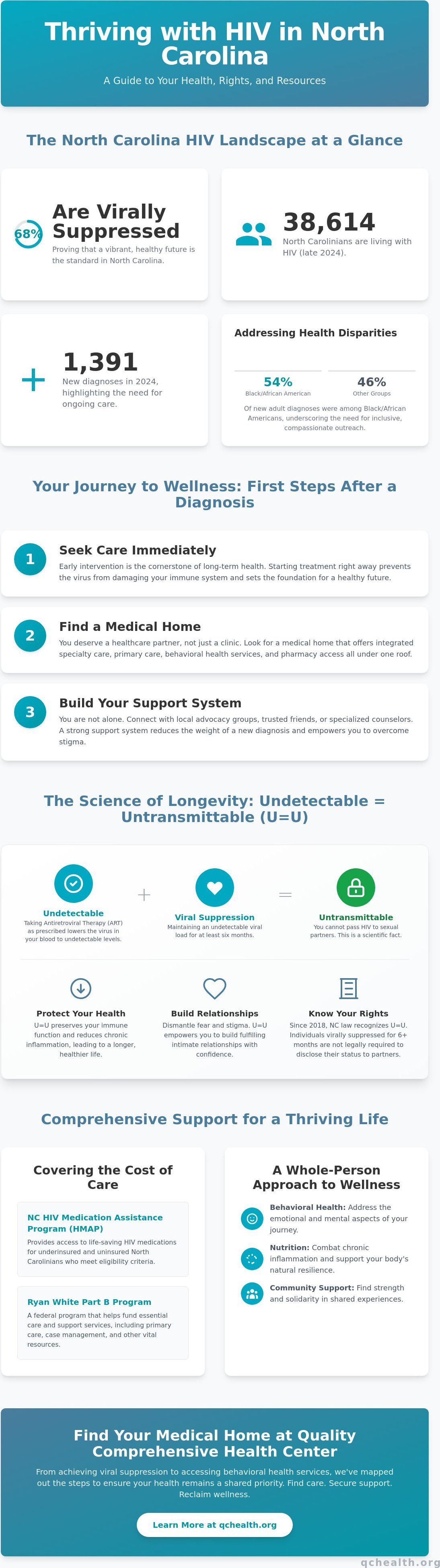
In North Carolina, 68% of our neighbors living with HIV are already virally suppressed, proving that a vibrant, healthy future is well within your reach. While the medical landscape can feel complex, living a healthy life with HIV in NC is a journey you don't have to walk alone. It's natural to feel anxious about long-term medication or the weight of social stigma. You deserve a healthcare partner who provides more than just clinical excellence. You deserve a place where you're seen, heard, and valued as a whole person.
We understand that managing insurance and finding the right medical home often feels like a full-time job. This comprehensive 2026 guide will help you secure the medical and financial resources necessary to thrive. We'll explore the NC HIV Medication Assistance Program (HMAP) eligibility, explain how U=U changes your legal requirements under state law, and show you how to find integrated specialty care in Charlotte. From achieving viral suppression to accessing behavioral health services, we've mapped out the steps to ensure your health remains a shared priority. Finding care. Securing support. Reclaiming wellness.
Key Takeaways
Master the "Undetectable = Untransmittable" (U=U) framework to transform your personal relationships and protect your long-term immune health.
Identify specific financial assistance programs, including HMAP and Ryan White Part B, that help cover the costs of modern specialty care.
Integrate behavioral health and nutrition into your daily routine to combat chronic inflammation and support your body's natural resilience.
Learn why living a healthy life with HIV in NC depends on finding a supportive medical home that offers integrated primary care and pharmacy access.
Gain practical insights into the 2026 NC healthcare landscape to better advocate for your needs within the state's medical system.
Table of Contents
Navigating Your HIV Journey in North Carolina
Receiving an HIV diagnosis often feels like the world has shifted beneath your feet. It's a moment of profound emotional transition, but it's also the first day of a proactive new chapter. Living a healthy life with HIV in NC is a reality for 38,614 of our neighbors as of late 2024. While 1,391 people were newly diagnosed that year, the focus in North Carolina has shifted from simple survival to long-term thriving. Living well means moving beyond a clinical label and viewing your health through a holistic lens. By integrating The Science of Longevity: Achieving Viral Suppression into your daily routine, you can protect your immune system and your community simultaneously. Immediate linkage to care is the most critical step you can take. Starting treatment early prevents delays in recovery and sets the foundation for a future where the virus is just one small part of your story.
The First Steps After a Diagnosis
Processing medical information can feel like trying to learn a new language while in a state of shock. You don't have to master every clinical detail in a single afternoon. Your priority is to find a medical home that offers integrated specialty care and behavioral health services. In the Charlotte community, support systems are ready to help you manage the logistics of your care. Early intervention remains the cornerstone of health because it stops the virus from damaging your immune system. Seeking help. Starting treatment. Staying consistent. These three steps ensure that your long-term wellness remains secure and manageable.
Breaking the Silence: Overcoming Stigma in NC
The Southern United States faces unique cultural challenges regarding HIV, and North Carolina is no exception. Stigma thrives in silence, but advocacy and education are rapidly changing the narrative in Charlotte and beyond. In 2024, Black/African Americans accounted for 54% of new adult diagnoses, highlighting the urgent need for inclusive, compassionate outreach that addresses systemic barriers. Empowerment comes through knowledge. When you understand your status and your treatment options, you reclaim your power from the fear of the unknown. You are more than a diagnosis; you are a vital part of a resilient community that values your worth and your health.
Acknowledge your feelings: It's normal to feel fear or anger, but don't let those emotions stall your medical care.
Connect with experts: Specialized primary care providers can simplify your treatment plan and answer your questions with authority.
Build your circle: Whether it's through local advocacy groups or trusted friends, a support system reduces the weight of a new diagnosis.
The Science of Longevity: Achieving Viral Suppression and U=U
Longevity is no longer a distant hope; it's the standard of care. Modern Antiretroviral Therapy (ART) works by blocking the virus at different stages of its life cycle, which stops it from replicating and attacking your T-cells. When your medication is taken as prescribed, the amount of virus in your blood drops to a level so low that standard tests can't detect it. This state, known as being undetectable, is the primary goal for anyone living a healthy life with HIV in NC. It preserves your immune function and reduces the chronic inflammation that can lead to other health issues over time. Seeking care. Staying suppressed. Living fully.
The "Undetectable = Untransmittable" (U=U) framework has revolutionized what it means to live with the virus. Science confirms that when you maintain an undetectable viral load, you cannot pass HIV to your sexual partners. In North Carolina, this isn't just a medical fact; it's reflected in our legal system. Since 2018, state law has recognized that individuals who have been virally suppressed for at least six months are not legally required to disclose their status to partners or use condoms. This shift helps dismantle the fear of isolation and empowers you to build fulfilling relationships based on scientific truth rather than outdated stigma.
Achieving and Maintaining Viral Suppression
Reaching an undetectable status requires a partnership between you and your care team. Regular lab work, including CD4 counts and viral load monitoring, provides a roadmap for your progress. If you're struggling with the cost of these essential medications, Accessing HIV Resources and Financial Assistance in NC through state and local programs can bridge the gap. While list prices for modern single-tablet regimens can range from $4,000 to $5,000 monthly, most residents pay significantly less through assistance programs or commercial insurance copay cards. Accessing these resources is a vital step toward long-term stability.
Working with Your HIV Specialist
Your specialty care visits are the best time to fine-tune your treatment. Prepare for these appointments by tracking any changes in your energy levels or potential side effects. Ask your provider about the latest once-daily regimens or long-acting injectables that might better fit your lifestyle. A personalized plan is about more than just numbers; it's about making sure your treatment works for your body and your daily routine. If you need a team that understands these nuances, consider reaching out to a provider who offers specialty care tailored to the Charlotte community.
Consistency is key: Set a daily alarm or use a pillbox to ensure you never miss a dose.
Know your numbers: Keep a record of your viral load results to track your journey toward suppression.
Open communication: Be honest with your doctor about any barriers to adherence, whether they are financial or emotional.
Accessing HIV Resources and Financial Assistance in NC
Managing the financial side of chronic illness shouldn't be a solo mission. The North Carolina healthcare landscape is complex, but several foundational programs exist to ensure you never have to choose between your medication and your basic needs. Living a healthy life with HIV in NC is possible regardless of your current insurance status. While the list price for modern regimens is high, the reality is that most residents access these life-saving tools through a network of state and federal support. Case management serves as your primary roadmap through this system. A dedicated case manager doesn't just fill out forms; they advocate for your worthiness and connect you to the resources that make long-term wellness sustainable.
The 340B Drug Pricing Program is a cornerstone of this effort. It allows eligible healthcare providers to purchase medications at significantly reduced costs, which helps fund the very support services you rely on. When combined with Ryan White Part B funding, these programs provide a safety net for clinical care, lab work, and even transportation to appointments. These aren't just bureaucratic programs; they're community promises that your health is a shared priority. Finding help. Navigating systems. Securing your future.
State-Specific Assistance Programs
The North Carolina HIV Medication Assistance Program (HMAP) is a vital resource for many. According to the latest manual update on March 12, 2026, eligibility requires you to be a North Carolina resident with a confirmed HIV diagnosis and a modified adjusted gross family income at or below 300% of the Federal Poverty Guidelines. HMAP operates through four distinct sub-programs to meet your specific needs. The Uninsured/Underinsured Medication Assistance Program (UMAP) serves those without coverage, while the Insurance Copayment Assistance Program (ICAP) helps cover costs for those with private health plans. Additionally, the State Pharmaceutical Assistance Program (SPAP) supports those on Medicare, and the Premium and Copayment Assistance Program (PCAP) provides a bridge for those needing help with monthly premiums. In the Charlotte area, local agencies work alongside these state programs to provide essential support for housing and daily stability.
Affordable Care and High-Deductible Plans
Navigating specialty care costs can be intimidating if you have a high-deductible plan or no insurance at all. It's important to know that many community-based clinics in Mecklenburg County offer sliding-fee scales based on your income. These clinics ensure that high out-of-pocket costs don't delay your treatment. If you're currently balancing a complex insurance policy, learning How to Get Medical Care With a High Deductible Plan can provide the specific strategies you need to manage your budget without sacrificing your health. By utilizing manufacturer copay cards and state assistance, many patients find they can reduce their medication costs to nearly zero. Your focus should be on your recovery, not your receipts.
Verify your eligibility: Check your income against the 300% Federal Poverty Guidelines to see if you qualify for HMAP.
Gather your documents: Have your proof of residency and diagnosis ready to speed up the application process.
Consult a case manager: Use these professionals to help you navigate the transition between different assistance programs.
A Holistic Approach to HIV Wellness and Community
Wellness is far more than a laboratory result or a stable T-cell count. It's about the quality of your sleep, the fuel you provide your body, and the strength of the connections you maintain with others. Living a healthy life with HIV in NC requires a strategy that addresses the whole person, not just the virus. Chronic inflammation remains a concern for many, even those with viral suppression, making nutrition and movement essential tools for long-term vitality. By focusing on anti-inflammatory foods and consistent physical activity, you support your body's natural resilience. Building a "Health Family" of providers, advocates, and peers ensures that you're never navigating these lifestyle changes in isolation. Eating well. Moving daily. Resting deeply.
Behavioral Health and Emotional Support
The link between mental health and physical outcomes is undeniable. Local health news often highlights the rise of "deaths of despair," where the weight of stigma and isolation leads to devastating consequences. We believe that emotional support is a right, not a luxury. Integrated behavioral health services within your medical clinic allow you to address anxiety or depression in the same familiar environment where you receive your specialty care. In Charlotte and the surrounding counties, HIV-positive support groups offer a safe harbor to share experiences and find collective strength. You deserve a space where your mental well-being is prioritized alongside your viral load. Speaking up. Seeking help. Finding peace.
Healthy Relationships and Disclosure
Navigating the world of dating and long-term relationships after a diagnosis can feel intimidating, but you have the power to lead with confidence. Since January 2018, North Carolina law has recognized the science of viral suppression; individuals who have been undetectable for at least six months are not legally required to disclose their status to sexual partners. While this law protects your privacy, many find that honest communication helps build deeper trust. If you're feeling overwhelmed by the prospect of these conversations, learning how to talk to your partner about STD results can provide a compassionate framework for disclosure. You have the right to a vibrant personal life, and modern medicine ensures that your status doesn't have to be a barrier to intimacy.
Prioritize your peace: Regular counseling can help you process the emotional complexities of a chronic diagnosis.
Fuel your resilience: Focus on a balanced diet rich in antioxidants to help your body manage long-term inflammation.
Know your rights: Stay informed about NC disclosure laws to empower your decisions in personal relationships.
Your journey toward holistic health is a shared responsibility that we take seriously. If you're ready to integrate emotional support into your care plan, we invite you to explore our behavioral health services to find the community and care you deserve.
Finding Your Medical Home at Quality Comprehensive Health Center
Rooted in the heart of the Beatties Ford Road corridor, Quality Comprehensive Health Center (QCHC) operates with a clear mission: advancing Health Equity for every Charlotte resident. We understand that living a healthy life with HIV in NC requires more than just a prescription; it requires a Medical Home where you're treated with dignity and compassion. Our integrated care model ensures that your primary care, specialty care, and behavioral health services are all located under one roof. This coordination eliminates the stress of navigating multiple locations and ensures that your care team is always on the same page regarding your wellness goals. Providing excellence. Promoting equity. Protecting health.
Walking through our doors means entering an affirming, non-judgmental environment where your worth is never in question. We've designed our "One-Stop" model to lower the barriers to healthcare by including an on-site pharmacy and comprehensive HIV/STD screenings. Whether you're a long-term survivor or newly diagnosed, our team is committed to providing personally attentive care that utilizes the latest medical advancements while remaining deeply human. We believe that high-quality medicine should be accessible to everyone, regardless of their socio-economic background or insurance status. Your health is a shared responsibility, and we're here to carry that weight with you.
Integrated Care for the Underserved
With over 20 years of experience serving the Charlotte community, we've built a foundation of trust that benefits your long-term health journey. Since moving to our new, larger facility in February 2024, we've expanded our ability to provide state-of-the-art testing and treatment. Our medical social workers are an essential part of your journey, helping you navigate the financial assistance programs like HMAP and Ryan White Part B that we discussed earlier. They don't just help with paperwork; they act as advocates who ensure you have the housing, transportation, and nutritional support needed to stay adherent to your medication. We center the recipient before the service, ensuring that our outreach to the underserved is both effective and respectful.
Taking Action Today
Your first specialty care visit is a critical step toward achieving viral suppression and reclaiming your vitality. When you schedule your first consultation with our HIV specialists, you'll meet a team that listens first and treats second. To prepare for your visit, please bring any current medications, proof of residency, and a list of questions for your provider. If you're still deciding on a provider, our guide on Finding the Right Charlotte Care Center offers additional insights into what makes a medical home truly supportive. Don't wait to prioritize your wellness. We're ready to welcome you into a community where you can thrive. Seeking care. Finding trust. Achieving wellness.
Gather your records: Bring any previous lab results or diagnosis paperwork to help our team build your history.
Prepare your questions: Ask about side effects, long-acting treatment options, or how to access our behavioral health services.
Verify your support: Speak with our on-site social workers during your first visit to confirm your eligibility for medication assistance.
Your Future is Built on Collective Care
The science of viral suppression and the U=U framework have redefined what's possible for your health. These advancements move the focus from survival to a life of abundance and deep connection. By utilizing North Carolina's robust financial assistance programs and prioritizing your behavioral health, you can maintain long-term stability without the weight of isolation. Living a healthy life with HIV in NC isn't just an individual goal; it's a community achievement that we reach together. You have the tools to thrive, and you have a community ready to stand with you.
At Quality Comprehensive Health Center, we bring over 20 years of community-based service to our state-of-the-art facility on Beatties Ford Road. Our integrated medical and behavioral health model ensures you receive holistic care that honors your whole self. We're here to lower the barriers to wellness and provide a medical home where you're seen and valued. You don't have to navigate these complex systems alone. Schedule your confidential specialty care consultation at QCHC today.
Your journey toward wellness is a path we walk as neighbors. Your health is our mission, and your future is bright. Reclaiming wellness. Building community. Thriving together.
Frequently Asked Questions
Is HIV considered a manageable chronic condition in 2026?
HIV is absolutely a manageable chronic condition in 2026. Thanks to advancements in antiretroviral therapy, the virus is no longer a terminal diagnosis but a long-term health journey similar to managing diabetes or hypertension. Patients who stay adherent to their medication can enjoy full, active lives while maintaining their wellness through regular check-ups. It's about consistency. It's about partnership. It's about longevity.
What is the North Carolina ADAP and how do I apply?
The North Carolina AIDS Drug Assistance Program (ADAP) is a component of the state's Medication Assistance Program that provides life-saving drugs to those who qualify. You can apply by working with a medical social worker at a specialty care clinic or your local health department. They'll help you gather proof of residency and income to ensure your treatment is covered without interruption. Accessing medication. Securing coverage. Protecting health.
Can I live a normal lifespan with an HIV diagnosis today?
You can expect to live a normal, healthy lifespan with an HIV diagnosis if you begin treatment early and stay consistent. Longevity is now the standard expectation for those living a healthy life with HIV in NC. By achieving viral suppression, you protect your immune system from the damage that previously led to advanced illness, allowing you to age with the same vitality as those without the virus.
What does "Undetectable = Untransmittable" actually mean for my partner?
"Undetectable = Untransmittable" means that your partner is protected from contracting the virus through sexual contact. When your viral load is suppressed to undetectable levels for at least six months, the risk of sexual transmission is effectively zero. This scientific certainty allows for intimacy without fear, though many couples still choose to discuss broader sexual health and screenings for other STDs.
Where can I find affordable HIV specialty care in Charlotte if I am uninsured?
You can access affordable specialty care at Quality Comprehensive Health Center even if you don't have insurance. We utilize programs like Ryan White funding and sliding-fee scales to ensure that financial barriers don't stand in the way of your recovery. Our Charlotte facility is designed to be a medical home for the underserved, providing high-quality treatment in a welcoming, community-focused environment on Beatties Ford Road.
How often do I need to see my doctor for HIV monitoring?
Most patients see their HIV specialist every 3 to 6 months once they achieve stable viral suppression. These visits are essential for monitoring your viral load and CD4 counts to ensure your medication remains effective. Your doctor will also check for potential side effects and discuss your overall wellness, including your mental health and nutritional needs. Monitoring progress. Staying suppressed. Thriving daily.
Are there specific laws in North Carolina about disclosing my HIV status?
North Carolina law states that individuals who have been virally suppressed for at least six months are not legally required to disclose their status to sexual partners or use a condom. This change, which has been in effect since 2018, reflects the medical reality of U=U. However, laws can be nuanced, so it's helpful to discuss your specific situation with an advocate or your care team to understand your rights fully.
Does QCHC provide mental health support specifically for people living with HIV?
Yes, QCHC provides integrated behavioral health services designed to support the emotional needs of our clients. We understand that living a healthy life with HIV in NC involves more than just physical medicine. Our counselors work alongside your medical providers to address anxiety, depression, or the social challenges of a chronic diagnosis, ensuring your mind remains as resilient as your body. Seeking support. Finding peace. Reclaiming wellness.


Comments